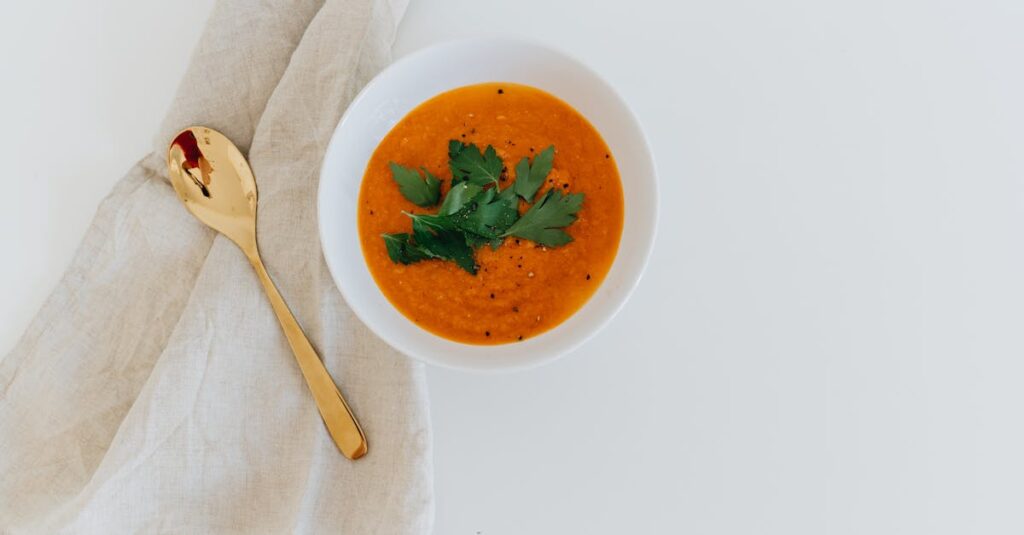
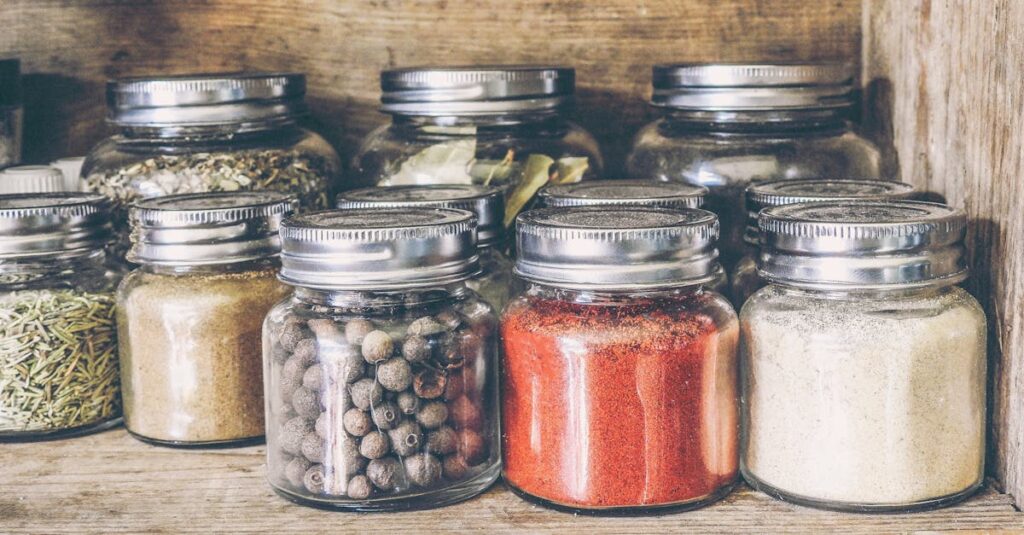
There’s something deeply grounding about knowing you can prepare nourishing pantry dishes anytime – without running to the store. Whether life gets busy, energy dips, or unexpected guests arrive, having the right ingredients at home makes healthy eating effortless.
In this guide, you’ll learn exactly which ingredients to always have at home (pantry + freezer), how to store them smartly, and how to turn them into simple, nourishing pantry dishes in minutes.
Why Pantry Dishes Are the Secret to Stress-Free Eating
Pantry dishes reduce:
- Decision fatigue
- Food waste
- Stress around meal planning
- Last-minute takeout
They also support stable blood sugar and balanced energy – something I talk about often in my work with women and sustainable wellness (you might also like my post on work-life balance for women and hormonal health).
According to the Harvard T.H. Chan School of Public Health, building meals around whole foods like legumes, whole grains, and healthy fats supports long-term health.
The Essential Pantry Dishes Framework: What to Always Have at Home
To create endless pantry dishes, think in 5 categories:
- Protein
- Carbohydrates
- Healthy fats
- Flavor builders
- Frozen produce
When these are covered, you can mix and match infinitely.
Pantry Proteins (Shelf-Stable)
These create the base of nourishing pantry dishes:
- Canned lentils
- Chickpeas
- Black beans
- Canned wild salmon
- Canned tuna
- Red lentils (cook in 10–15 minutes)
- White beans
👉 Legumes are strongly recommended in Mediterranean-style eating patterns by the Mayo Clinic
Carbohydrates That Last
Carbs give structure and satiety to pantry dishes:
- Brown rice
- Quinoa
- Oats
- Whole grain pasta
- Potatoes (cool, dark storage)
- Sweet potatoes
- Sourdough bread (slice + freeze)
Whole grains are associated with improved metabolic health according to the Cleveland Clinic
Healthy Fats & Flavor Builders
These transform basic ingredients into satisfying pantry dishes:
Fats
- Extra virgin olive oil
- Avocado oil
- Tahini
- Nuts & seeds
Flavor essentials
- Garlic powder
- Onion powder
- Sea salt
- Black pepper
- Smoked paprika
- Cumin
- Dijon mustard
- Soy sauce or tamari
- Tomato paste
- Coconut milk
With just rice + lentils + coconut milk + spices, you already have a full meal.
Freezer Staples for Balanced Pantry Dishes
Your freezer is your insurance policy.
Always keep:
- Frozen spinach
- Frozen broccoli
- Frozen peas
- Frozen berries
- Frozen herbs
- Pre-cooked rice (freeze in portions)
- Bone broth or vegetable broth
Frozen vegetables are nutritionally comparable to fresh according to the USDA
10 Easy Pantry Dishes You Can Make Anytime
- Lentil coconut curry
- Chickpea tomato stew
- Tuna white bean salad
- Black bean tacos
- Oatmeal with nut butter & berries
- Rice bowl with frozen veggies + tahini
- Pasta with olive oil, garlic & white beans
- Sweet potato + chickpeas + yogurt sauce
- Quinoa salad with canned salmon
- Brothy lentil vegetable soup
Pantry dishes don’t have to be boring – they’re foundational.
How to Build Your Pantry Gradually (Without Overwhelm)
You don’t need to buy everything at once.
Start with:
Week 1: 2 proteins + 1 grain
Week 2: 2 freezer vegetables
Week 3: Upgrade spices
Sustainable systems create sustainable health.
If you’re struggling with consistency or feeling overwhelmed around food and structure, my coaching supports women in building simple systems that actually work in real life.
👉 Learn how I work here.
Ready to talk? Book your free initial consultation here.
FAQ Section
What are pantry dishes?
Pantry dishes are meals made primarily from shelf-stable and freezer ingredients that you keep stocked at home. They allow you to cook balanced meals without grocery shopping.
What ingredients should I always have at home?
Core pantry dishes ingredients include legumes, whole grains, healthy fats, spices, frozen vegetables, and canned proteins.
How long do pantry staples last?
Most canned goods last 1–5 years. Dried grains and legumes last 1–2 years if stored in airtight containers in a cool, dry place.
Are frozen vegetables healthy?
Yes. Frozen vegetables are nutritionally comparable to fresh and are often frozen at peak ripeness.
How do pantry dishes support healthy eating?
They reduce reliance on processed takeout, stabilize blood sugar, and make balanced meals easy and accessible.