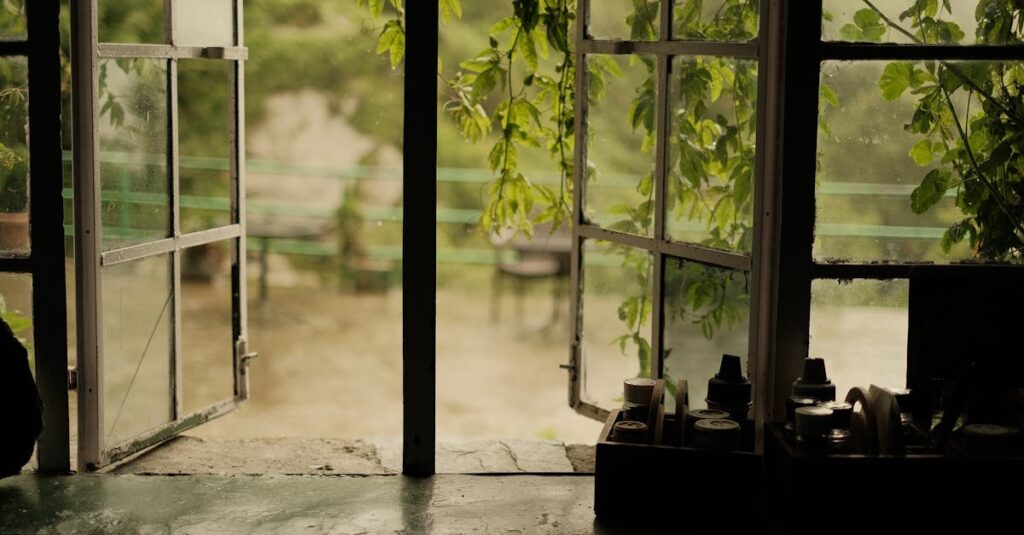

Hygge (pronounced hoo-gah) is often described as a cozy aesthetic. Candles. Blankets. Warm drinks. Soft lighting.
But at its core, hygge is much deeper than how something looks.
Hygge is about how life feels.
It’s a way of relating to your environment, your body, and your daily rhythms that prioritizes safety, presence, and ease. And in a world that constantly pulls us outward — toward productivity, performance, and comparison — hygge invites us gently back inward.
What Hygge Really Means
Hygge is a Danish concept that doesn’t translate perfectly into English. It’s often described as:
- a feeling of comfort and contentment
- a sense of being at ease
- warmth, both physical and emotional
- simple pleasures shared or enjoyed alone
But hygge is not about perfection or curated lifestyles. It’s not about buying more things or creating an Instagram-ready home.
True hygge is intentional simplicity.
It’s the feeling of exhaling at the end of the day. Of being held by your space instead of overstimulated by it.
Why Hygge Matters for Our Wellbeing
From a holistic perspective, hygge supports the nervous system.
When your environment feels soft, calm, and predictable, your body receives a powerful signal: you are safe here.
That sense of safety allows:
- stress levels to decrease
- the nervous system to shift out of fight-or-flight
- emotional regulation to improve
- clarity and creativity to return
This is especially important for women who are constantly “on,” juggling roles, responsibilities, and expectations.
Hygge isn’t about escaping life. It’s about creating small pockets of regulation within it.
Hygge as an Inner State, Not Just a Setting
While hygge is often associated with physical surroundings, it’s just as much an internal practice.
You can experience hygge:
- in quiet moments alone
- during meaningful conversations
- while doing something slowly and without pressure
- when allowing yourself to rest without guilt
In this way, hygge becomes an expression of self-worth.
It says:
“My comfort matters.”
“My nervous system matters.”
“I don’t need to earn rest.”
Everyday Ways to Invite Hygge Into Your Life
Hygge doesn’t require a lifestyle overhaul. It lives in small, intentional choices.
Some gentle ideas:
- soft lighting instead of harsh overhead lights
- warm meals eaten without distraction
- natural textures like wood, linen, or wool
- moments of quiet without background noise
- putting your phone away while you unwind
- creating evening rituals that signal rest
None of these are rules. They’re invitations.
The question isn’t “Am I doing hygge right?”
It’s “Does this help me feel more at ease?”
Celebrating the Darker, Slower Seasons of Life
Hygge also teaches us something important about cycles.
In many cultures, darker seasons — literally and metaphorically — are treated as something to push through. Something to fix.
Hygge offers a different perspective.
Instead of resisting slowness, it invites us to honor it.
Instead of fighting darkness, it encourages warmth and presence within it.
This can apply not just to winter, but to any quieter season of life:
- times of transition
- emotional healing
- uncertainty or change
- periods of rest and recalibration
There is wisdom in slowing down. Hygge helps us listen.
Hygge and Self-Trust
When you create environments and routines that support your wellbeing, you strengthen your relationship with yourself.
You learn to notice:
- what truly soothes you
- what overstimulates you
- what you need more or less of
Over time, this awareness builds self-trust. You stop outsourcing comfort and validation and begin creating it from within and around you.
That’s a powerful form of personal growth — one that doesn’t require striving.
A Gentle Reminder
Hygge is not about escaping reality or pretending everything is perfect.
Life will still be messy. Loud. Uncertain at times.
Hygge simply reminds us that we can choose softness alongside it.
A warm cup of tea doesn’t fix everything — but it changes how we experience the moment. And sometimes, that’s enough.
If you’ve been craving more ease, grounding, or emotional steadiness, hygge can be a beautiful place to begin.
And if you’d like support in creating rhythms, environments, and inner practices that help you feel more at home in yourself, I offer holistic coaching for women who want a calmer, more aligned way of living.
You don’t need to do more.
You may just need to feel safer where you are.
Curious how coaching with me works? Learn more here about my approach and what to expect.